Car Pulls to One Side When Braking Hard and Feels Unstable
Few things are more alarming than pressing the brake pedal hard and feeling your car yank to one side. The steering wheel may twist in your hands, the car may feel loose, and stopping smoothly becomes difficult. This problem is not just uncomfortable—it can be dangerous if left alone.
Let’s break down why a car pulls to one side when braking hard, why it feels unstable, and what you can do to fix it before it turns into a serious safety risk.
Why Pulling Happens During Hard Braking
When you brake, all four wheels should slow down at the same rate. If one wheel slows more than the others, the car will pull toward that side. Hard braking makes the issue more noticeable because the forces involved are much stronger.
This pulling often means something is uneven in the braking, suspension, or tire system.
Uneven Brake Caliper Operation
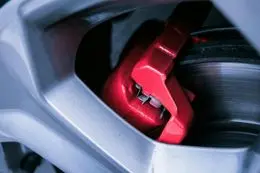
One of the most common causes is a sticking brake caliper.
If a caliper sticks, it applies more pressure on one wheel. During hard braking, that wheel grips harder than the others and pulls the car in its direction.
Signs this is the problem:
- Car pulls left or right only when braking
- One wheel gets hotter than the others
- Uneven brake pad wear
A stuck caliper should be repaired or replaced quickly. Driving like this can ruin brake pads and rotors fast.
Worn or Contaminated Brake Pads
Brake pads must grip evenly on both sides of the car. If one pad is worn down more or contaminated with oil, grease, or brake fluid, braking force becomes uneven.
Hard braking exaggerates this difference, causing the car to pull and feel unstable.
Watch for:
- Squealing or grinding noises
- One side of pads wearing faster
- Pulling that gets worse over time
Replacing pads on both sides of the axle is usually the safest fix.
Warped or Uneven Brake Rotors
Brake rotors should be flat and smooth. If one rotor is warped or worn unevenly, it can cause uneven braking force.
When braking hard, the steering wheel may shake while the car pulls to one side, making the vehicle feel out of control.
Common clues:
- Steering wheel vibration under braking
- Pulsing brake pedal
- Pulling that changes with speed
Machining or replacing the affected rotor usually solves this issue.
Tire Pressure or Tire Condition Problems
Tires play a huge role in braking stability. If one tire has lower pressure, less tread, or internal damage, it will react differently under braking.
Hard braking puts more weight on the front tires, so tire issues become very obvious.
Check for:
- Uneven tire pressure
- Bald or uneven tread
- Old or damaged tires
Make sure all tires are inflated properly and matched in size and condition.
Suspension or Steering Wear
Worn suspension parts can allow the wheels to shift when braking force is applied. This movement can make the car pull suddenly and feel unstable.
Parts that often cause trouble include:
- Control arm bushings
- Ball joints
- Tie rods
Warning signs include:
- Clunking noises when braking
- Loose or wandering steering
- Pulling even on smooth roads
Suspension wear should be inspected by a professional, as it affects both braking and steering control.
Brake Hose Collapse
Brake hoses carry fluid to the calipers. Over time, a hose can collapse internally. This can cause one brake to apply more or release slower than the others.
During hard braking, the affected side may grip harder and pull the car.
Symptoms include:
- Brake dragging after stopping
- Pulling that comes and goes
- One brake overheating
A collapsed hose must be replaced to restore safe braking.
Alignment Problems Made Worse by Braking
Wheel alignment issues alone don’t always cause pulling during normal driving. But when braking hard, poor alignment can make the car unstable and drift sharply.
This often happens after hitting potholes or curbs.
You may notice:
- Uneven tire wear
- Steering wheel not centered
- Pulling during braking and coasting
A proper alignment can bring stability back.
Why the Car Feels Unstable
The unstable feeling comes from uneven braking forces fighting the steering system. When one side slows more than the other, the suspension twists and the steering wheel reacts suddenly.
This can feel like:
- The rear end shifting
- The steering going light or heavy
- Loss of confidence while stopping
Any of these sensations mean the car is not braking evenly and needs attention.
Is It Safe to Keep Driving?
Driving a car that pulls during hard braking is risky. In an emergency stop, the car may veer into another lane or lose control.
This problem often gets worse, not better. What starts as a mild pull can turn into severe brake damage or tire failure.
What You Should Do Next
Start with these steps:
- Check tire pressure and tire condition
- Inspect brake pads and rotors
- Look for uneven heat or wear on wheels
- Have suspension parts checked if brakes look fine
If the pulling is strong or sudden, avoid hard driving until the issue is fixed.
Final Thoughts
A car that pulls to one side when braking hard is sending a clear warning. Uneven braking, worn parts, or tire issues are upsetting the balance your car needs to stop safely.
Fixing the issue early restores control, shortens stopping distance, and keeps you safe on the road. Smooth, straight braking is not a luxury—it’s a requirement for safe driving.