If you’ve ever heard a squeaking noise while turning your car, you’re not alone. It’s one of those small but annoying issues that can make you feel uneasy every time you take a corner.
A squeaky car can signal anything from minor maintenance needs to more serious mechanical problems.
Understanding why your car squeaks when turning and knowing how to fix it can save you time, money, and stress.
In this guide, we’ll break down the common causes of squeaking noises when turning, how to diagnose the issue, and steps you can take to repair it.
Common Reasons for Squeaks When Turning
1. Worn-Out Power Steering Components
One of the most frequent culprits is the power steering system. This system helps you turn the wheel easily, especially at low speeds. If the fluid is low or the system components are worn out, you might hear a squeak.
- Symptoms: Squeaking or whining sound when turning the wheel, especially at slower speeds.
- Causes:
- Low power steering fluid.
- Air bubbles in the power steering lines.
- A failing power steering pump.
2. Bad Suspension Parts
Your car’s suspension system absorbs shocks and helps with stability. If parts like ball joints, bushings, or control arms are damaged or dry, they can cause squeaking sounds.
- Symptoms: Squeaking noise, usually louder over bumps or when turning.
- Causes:
- Worn-out or unlubricated suspension components.
- Rubber bushings that have hardened over time.
3. Tires and Wheel Issues
Sometimes, the problem isn’t mechanical at all. It could simply be your tires or wheels causing the noise.
- Symptoms: High-pitched squeaking that varies with the speed of the car.
- Causes:
- Low tire pressure.
- Uneven tire wear.
- Objects like small rocks stuck in the treads.
4. Faulty Wheel Bearings
Wheel bearings support the rotation of the wheels and help reduce friction. If they’re worn or damaged, they can produce a squealing noise.
- Symptoms: Squeaking or grinding noise that worsens with speed or while turning.
- Causes:
- Lack of lubrication in the bearings.
- Worn-out or damaged bearings.
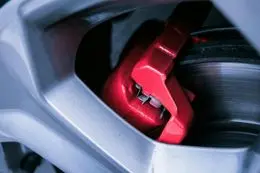
5. Braking System Issues
Sometimes, the squeak comes from the brakes. This is more noticeable when turning at low speeds if the brakes are slightly engaged.
- Symptoms: Squeaking or squealing noise when turning or braking.
- Causes:
- Worn-out brake pads.
- Dust or debris trapped between the pads and rotors.
How to Diagnose the Problem
Step 1: Listen to the Noise
Pay attention to when and where the squeaking occurs. Is it constant or only during turns? Does it change with speed? These clues can help pinpoint the cause.
Step 2: Inspect the Tires
Check your tires for uneven wear, proper inflation, or trapped debris. Fixing tire issues is often the easiest and cheapest solution.
Step 3: Check the Power Steering Fluid
Pop the hood and check the power steering fluid level. If it’s low, top it off with the correct type of fluid. If the problem persists, there may be a leak or air in the system.
Step 4: Inspect Suspension and Wheel Components
Look for visible wear or damage in the suspension system, including the bushings, ball joints, and control arms. For wheel bearings, listen for grinding or squealing sounds when you spin the wheel.
Step 5: Visit a Professional
If you’re unable to locate or fix the issue, take your car to a trusted mechanic. They have the tools and expertise to diagnose the problem accurately.
How to Repair the Squeaking Noise
1. Top Up or Replace Power Steering Fluid
If the squeaking noise is due to low-power steering fluid, refill it with the manufacturer-recommended type. If the fluid is contaminated or smells burnt, a complete flush may be necessary.
2. Lubricate Suspension Components
Dry suspension parts can be treated with a spray lubricant. Silicone-based products are great for rubber bushings, while grease is better for metal components like ball joints.
3. Replace Worn Tires
If your tires are causing the squeak, you may need to replace them. Ensure they’re properly inflated and aligned to prevent future issues.
4. Repair or Replace Wheel Bearings
Damaged bearings will need to be replaced. This is a more advanced repair that typically requires professional assistance.
5. Replace Brake Pads or Clean the Brakes
If the squeaking is from the braking system, you might need to replace the brake pads. Cleaning the brake assembly can also help remove trapped dust or debris.
Preventing Future Squeaking
- Regular Maintenance: Check your car’s fluids, tires, and suspension components as part of routine maintenance.
- Avoid Potholes: Rough driving can wear out suspension parts faster.
- Inspect Tires Regularly: Ensure they’re properly inflated and free of debris.
- Service the Power Steering System: Flush the fluid every 50,000 miles or as recommended by your car’s manufacturer.
When to Seek Professional Help
While some repairs, like topping up fluids or checking tires, can be done at home, others require specialized tools and expertise.
If the squeaking noise persists or you notice other symptoms like difficulty steering, it’s time to consult a mechanic. Delaying repairs could lead to more severe and costly problems down the road.
Wrap Up
Hearing your car squeak when turning can be frustrating, but understanding the causes and solutions can put you back in control. By following these steps, you can address the issue and enjoy smooth, quiet rides again.