Imagine cruising down the road, music playing, everything feeling smooth — until suddenly, the steering wheel feels heavy and weird.
You pull over, look under the car, and spot a puddle of strange liquid. Bad news: your power steering system is leaking.
If you’re caught in this situation, don’t panic. While a real fix from a mechanic is the best solution, there are a few smart, temporary fixes that can help you stay safe and get where you need to go.
Let’s dive into everything you need to know about temporary fixes for a power steering leak on the road!
Why Power Steering Leaks Are a Big Deal
Power steering makes turning your car feel light and easy. Without it, steering would feel heavy, slow, and exhausting, especially when moving at slow speeds like in parking lots or during sharp turns.
When a leak happens, the system loses the fluid it needs to work. Without enough fluid:
- You lose steering power.
- The steering wheel gets stiff and hard to turn.
- The pump can overheat and fail, leading to expensive repairs.
- Driving becomes much more dangerous, especially in emergencies.
In short: A power steering leak isn’t just an inconvenience — it’s a safety hazard. That’s why you need to act quickly, even if it’s just a temporary fix.
Signs You Have a Power Steering Leak
Sometimes it’s obvious when there’s a leak. Other times, it’s sneaky. Here’s how you can tell:
- Whining or squealing noise when turning: This usually means the system is low on fluid.
- Stiff steering wheel: Turning feels harder, especially when you’re going slow or parking.
- Fluid puddles: Power steering fluid usually looks reddish, pink, or clear. If you see a puddle under your car, that’s a big clue.
- Low fluid levels: If you pop the hood and the fluid reservoir is below the “minimum” line, something’s wrong.
- Burning smell: Leaked fluid can hit hot engine parts, creating a nasty burnt smell.
If you notice any of these signs, it’s time to take action before things get worse.
Quick and Temporary Fixes You Can Do on the Road
Now that you’ve spotted the problem, here’s how to handle it temporarily to stay safe:
1. Top Off the Power Steering Fluid
This is the easiest and fastest move you can make.
Steps to follow:
- Get the right type of power steering fluid. (Check your owner’s manual or look under the hood. Some newer cars even use automatic transmission fluid for power steering.)
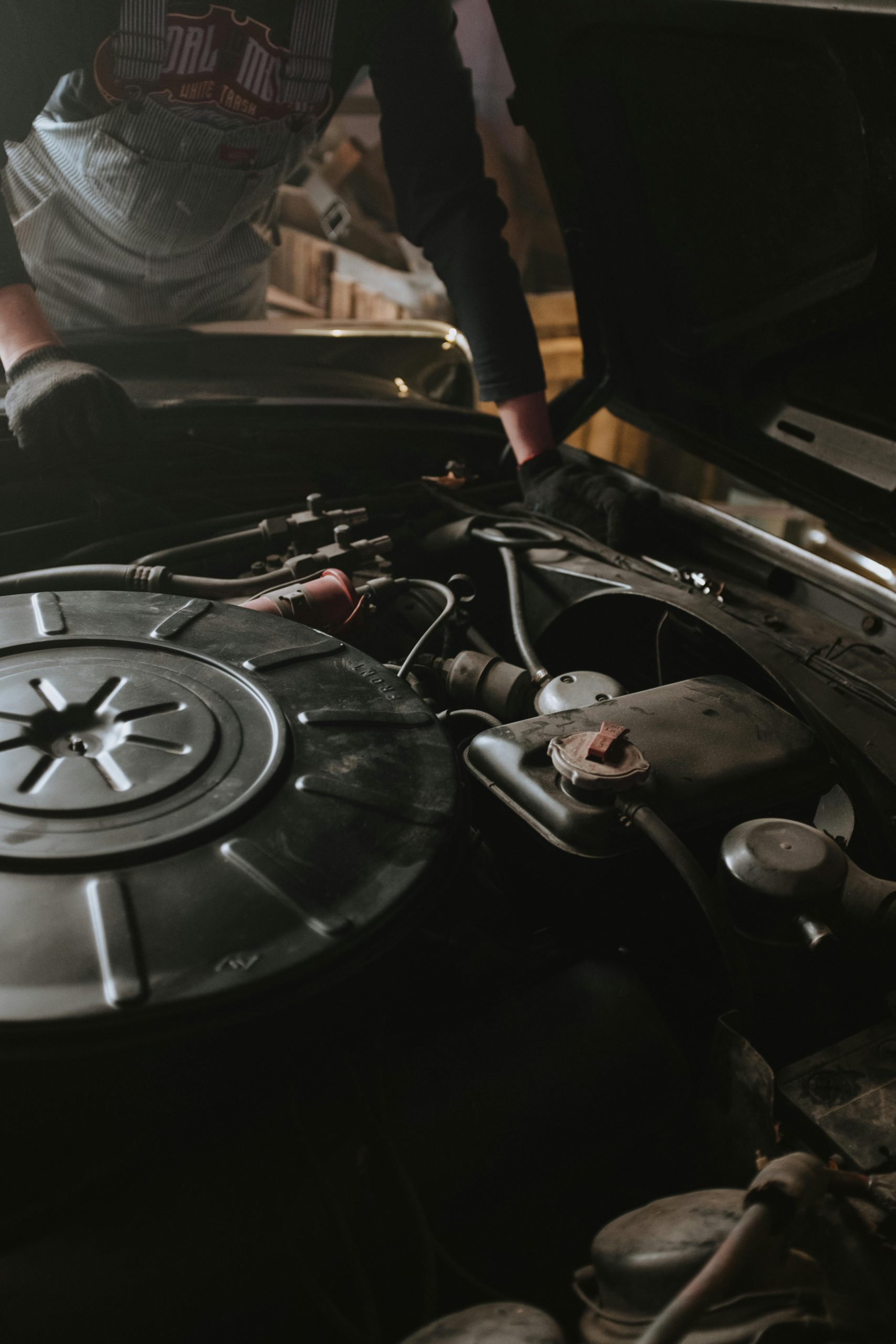
- Open the hood carefully and find the power steering reservoir. It’s usually labeled with a little steering wheel symbol.
- Wipe off any dirt around the cap.
- Remove the cap and slowly pour in fluid until it reaches the “Full” line.
- Start the car and turn the wheel left and right a few times to help the fluid flow through the system.
Why this works:
Topping off the fluid replaces what you’ve lost, which helps the steering system work properly again — at least for a short time.
Important:
If your leak is fast (you lose fluid quickly after filling), you may need to add more fluid again before reaching your destination.
Pro tip:
Always carry a bottle of power steering fluid in your emergency kit! It’s cheap and can save you from a costly tow.
2. Use a Power Steering Stop Leak Additive
If your leak is small and slow, a stop leak product might save the day.
Steps to follow:
- Buy a power steering stop leak product from any auto parts store or gas station.
- Follow the instructions on the bottle carefully. Usually, you pour it right into the power steering reservoir, just like regular fluid.
- Drive normally to allow the additive to circulate through the system.
Why this helps:
Stop leak additives work by softening and expanding rubber seals. If your leak is from a tiny crack or dried-out seal, the product can temporarily plug the leak.
Important:
This is only a short-term fix! Using too much stop leak can clog your system. Always plan to get a real repair soon after using it.
Extra advice:
Don’t mix multiple types of stop leak products — stick to one brand at a time for best results.
3. Patch the Hose (If You Can See It)
Sometimes the leak isn’t from a seal — it’s from a worn-out or cracked hose. If that’s the case, and if you can easily spot the damaged hose, you can patch it temporarily.
Steps to follow:
- Turn off the car and let the engine cool completely.
- Find the leaking hose (look for wet, damaged, or cracked areas).
- Use duct tape, electrical tape, or a hose repair kit to wrap the leaky area tightly.
- Refill the power steering fluid as needed.
Why this works:
A strong tape patch can hold off the leak long enough to let you drive a few miles safely to a repair shop.
Important reminder:
Heat and pressure will eventually weaken your patch. This is not a permanent fix!
4. Reduce Stress on the Power Steering System
Whether you topped off the fluid, used stop leak, or patched a hose, you also need to drive carefully.
How to drive safely:
- Avoid making sharp, fast turns.
- Slow down before turning to reduce strain on the system.
- Don’t hold the steering wheel at the full left or right position for more than a second or two (this creates a lot of pressure).
- Drive slowly and gently whenever possible.
Why this helps:
By reducing the load on the steering system, you help the fluid stay in longer, the patch stay on longer, and the parts stay cooler.
Even a great temporary fix can fail if you drive too aggressively.
What Not to Do When You Notice a Leak
Sometimes doing the wrong thing can make your situation much worse.
Here’s what NOT to do:
- Don’t keep driving without fluid: You’ll ruin the pump and possibly the steering rack, leading to a much bigger (and much more expensive) repair.
- Don’t pour in the wrong fluid: Mixing up fluids (like using engine oil or brake fluid) can destroy seals and hoses.
- Don’t ignore strange noises: A whining or grinding noise is a sign the pump is starving. Pull over and add fluid immediately if you hear this.
- Don’t try to drive too far: Temporary fixes are just that — temporary. Get to a mechanic as soon as you can.
When to Call for Help
Sometimes, even with the best efforts, it’s not safe to keep driving.
Call for a tow truck if:
- The leak is very bad, and fluid drains out as fast as you pour it in.
- Steering becomes dangerously hard or impossible.
- You hear grinding, knocking, or loud whining sounds even after topping off fluid.
- The steering wheel feels loose or jerky.
It’s better to pay for a tow than to risk an accident or even bigger repairs.
Final Thoughts
A power steering leak can be scary, but knowing a few simple tricks can keep you safe. Topping off fluid, using a stop leak additive, or patching a hose can buy you enough time to reach help.
Always drive gently and remember: these fixes are only temporary. A proper repair is the only way to fully solve the problem.
Acting fast not only protects your car but also keeps you and others safe on the road. Stay prepared, stay calm, and handle power steering leaks the smart way!