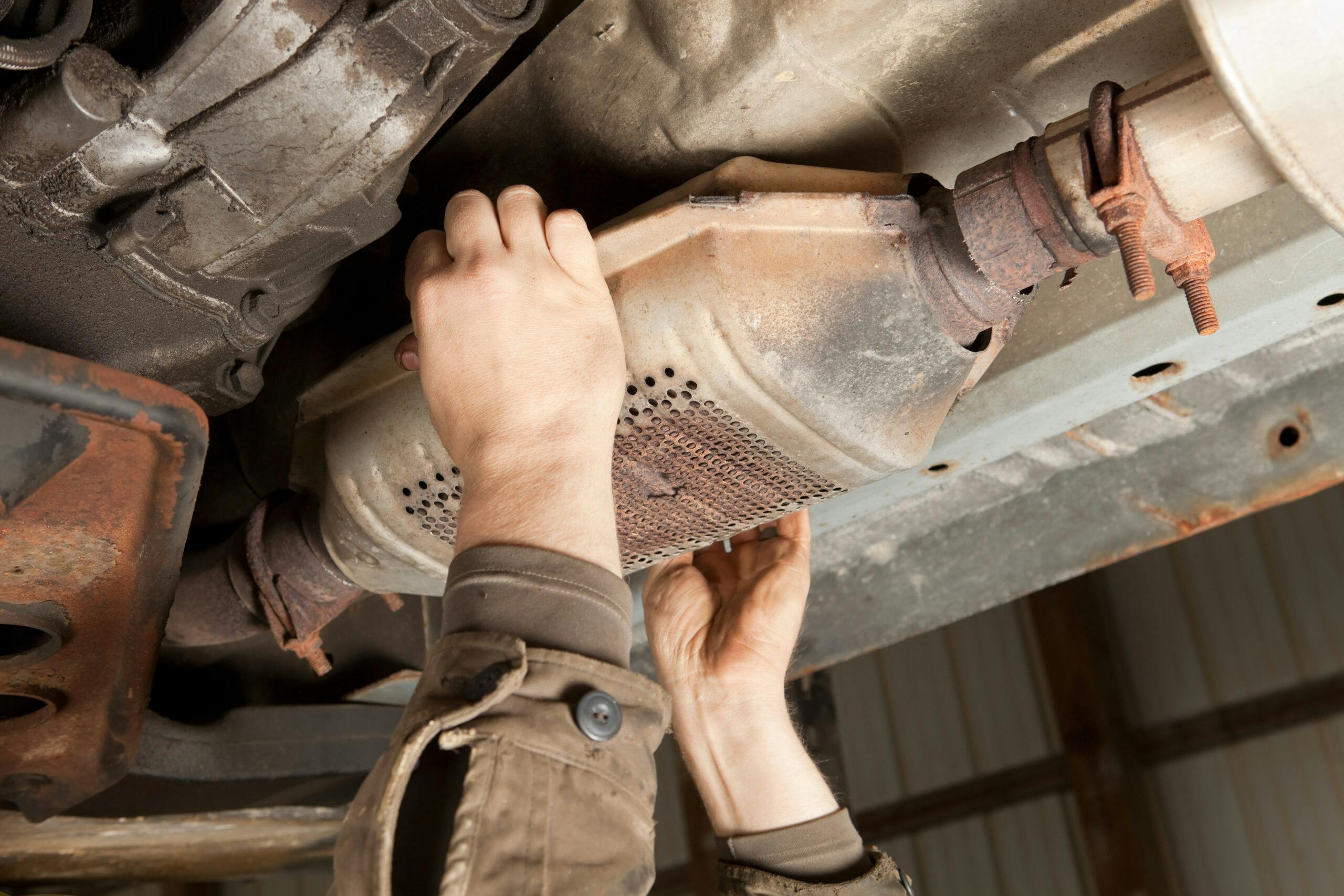
A rattling noise when your car is idling can be annoying and worrying at the same time. The engine is running, but the vehicle is not moving, yet you hear a shaking, tapping, or vibrating sound coming from under the hood or beneath the car.
In many cases, this noise is caused by loose components. These parts may not seem serious at first, but ignoring them can lead to bigger and more expensive problems later.
This guide explains why loose components cause rattling at idle, which parts are usually responsible, how to spot the problem early, and what you can do to fix it.
Why Rattling Happens Mostly at Idle
When a car is idling, the engine runs at a low speed. At this point, vibrations are more noticeable because there is less engine load to smooth them out. Loose parts tend to shake more at low RPMs, creating a rattling sound.
As soon as you press the gas pedal, the noise may fade or disappear. This can make the issue confusing, but it is actually a common sign that something is loose rather than broken internally.
Common Loose Components That Cause Rattling at Idle
Heat Shields
Heat shields are thin metal covers designed to protect other parts from engine and exhaust heat. Over time, the bolts or clips holding them in place can rust or break.
When a heat shield becomes loose, it vibrates against the exhaust or body of the car. This often sounds like a metallic rattling or buzzing noise, especially when the engine is idling or just starting.
Exhaust System Parts
The exhaust system runs from the engine to the back of the car. It includes pipes, hangers, brackets, and mufflers. If any of these parts become loose, they can shake when the engine is running.
A loose exhaust clamp or hanger is a very common cause of rattling at idle. The sound usually comes from underneath the car and may get louder when the engine is cold.
Engine Covers and Plastic Panels
Modern cars often have plastic engine covers and underbody panels. These covers improve airflow and reduce noise, but they are usually held in place with clips or small bolts.
If a clip breaks or a bolt falls out, the panel can vibrate against the engine or frame. This creates a light rattling or tapping sound that changes with engine vibration.
Loose Bolts or Brackets
Brackets are used to hold many components in place, such as power steering lines, wiring, and small engine parts. If a bolt loosens over time, the bracket can shake.
This type of rattle often sounds like a fast clicking or knocking noise and may come from one specific area under the hood.
Worn or Loose Engine Mounts
Engine mounts hold the engine firmly in place while absorbing vibration. If a mount becomes loose or worn, the engine can move more than it should.
At idle, this extra movement can cause parts to touch or shake against each other, leading to a rattling noise. This issue often comes with noticeable engine vibration felt inside the car.
Signs the Rattling Is Due to Loose Components
You can often tell if the noise is caused by loose parts by paying attention to these signs:
- The rattling is loudest when the car is idling
- The noise reduces or stops when you rev the engine
- The sound is more noticeable when the engine is cold
- You hear a metallic or plastic vibration sound
- The noise changes when you gently tap or press certain parts under the hood
These clues usually point to a loose component rather than a serious engine problem.
How to Check for Loose Components
Visual Inspection
Start by opening the hood and looking for anything that seems out of place. Check for missing bolts, hanging shields, or loose covers. Gently shake parts by hand to see if they move or rattle.
Always make sure the engine is off and cool before touching anything.
Listen Closely
With the engine idling, listen carefully to where the sound is coming from. Move around the front and sides of the car. Sometimes the noise is easier to locate from underneath.
If possible, have someone sit in the car and lightly rev the engine while you listen.
Tap Test
Using a rubber mallet or your hand, gently tap heat shields, exhaust parts, and plastic covers. If tapping recreates the rattling sound, you may have found the source.
Is It Safe to Drive With a Rattling Noise?
In many cases, a loose component is not an emergency. You can usually drive the car for a short time without immediate danger. However, leaving the problem unfixed can lead to other issues.
A loose heat shield can fall off. A loose exhaust part can cause leaks. A loose engine mount can damage other components over time. What starts as a simple rattle can turn into a costly repair if ignored.
How to Fix Loose Component Rattling
Tightening Bolts and Fasteners
If the issue is a loose bolt or bracket, tightening it may solve the problem completely. This is often a quick and inexpensive fix.
Replacing Clips or Mounts
Broken clips or worn engine mounts usually need replacement. These parts are often affordable and restore proper support and vibration control.
Securing or Replacing Heat Shields
Loose heat shields can sometimes be resecured with new bolts or clamps. If the shield is badly rusted, replacement may be the best option.
Professional Inspection
If you cannot locate the noise or do not feel comfortable checking under the car, a mechanic can quickly identify loose components during a routine inspection.
Preventing Rattling Noises in the Future
Regular maintenance helps prevent loose parts from becoming a problem. During oil changes or inspections, ask your mechanic to check heat shields, exhaust mounts, and engine covers.
Driving gently over rough roads and speed bumps also reduces wear on clips and fasteners. Catching small issues early keeps your car quieter and more reliable.
Final Thoughts
A car that makes a rattling noise when idling due to loose components is a common and often fixable issue. Heat shields, exhaust parts, engine covers, and brackets are usually the main causes. While the noise may seem minor, it is a warning sign that something needs attention.
Taking time to inspect and fix loose parts can save you money, prevent further damage, and restore a smooth and quiet idle. If in doubt, getting a professional check is always a smart move.