You might not realize it, but the burning rubber smell in your car could be more than just an unpleasant odor; it might signal an underlying mechanical issue that needs immediate attention. Whether it’s a minor problem like misaligned tires causing friction or something more severe like oil leaks dripping onto hot engine parts, identifying the source early can save you from costly repairs down the line. As you consider the potential causes—from worn-out clutch plates to overheating brakes—it’s essential to understand how these factors contribute to the smell and what steps you can take to address them before they escalate into bigger problems. Why not explore what your car is telling you?
Causes of Burning Rubber Smells
Identifying the source of a burning rubber smell is crucial, as it often stems from serious issues like overheated brakes or worn-out clutch plates. This odor can signal that your car is experiencing more than just wear and tear—it could be a warning of impending danger.
Firstly, consider the engine, often a culprit in these scenarios. Leaking oil can drip onto hot engine parts, evaporating and producing a distinct rubber-like odor. Regular checks under your hood can help you catch these leaks early, preventing more significant damage.
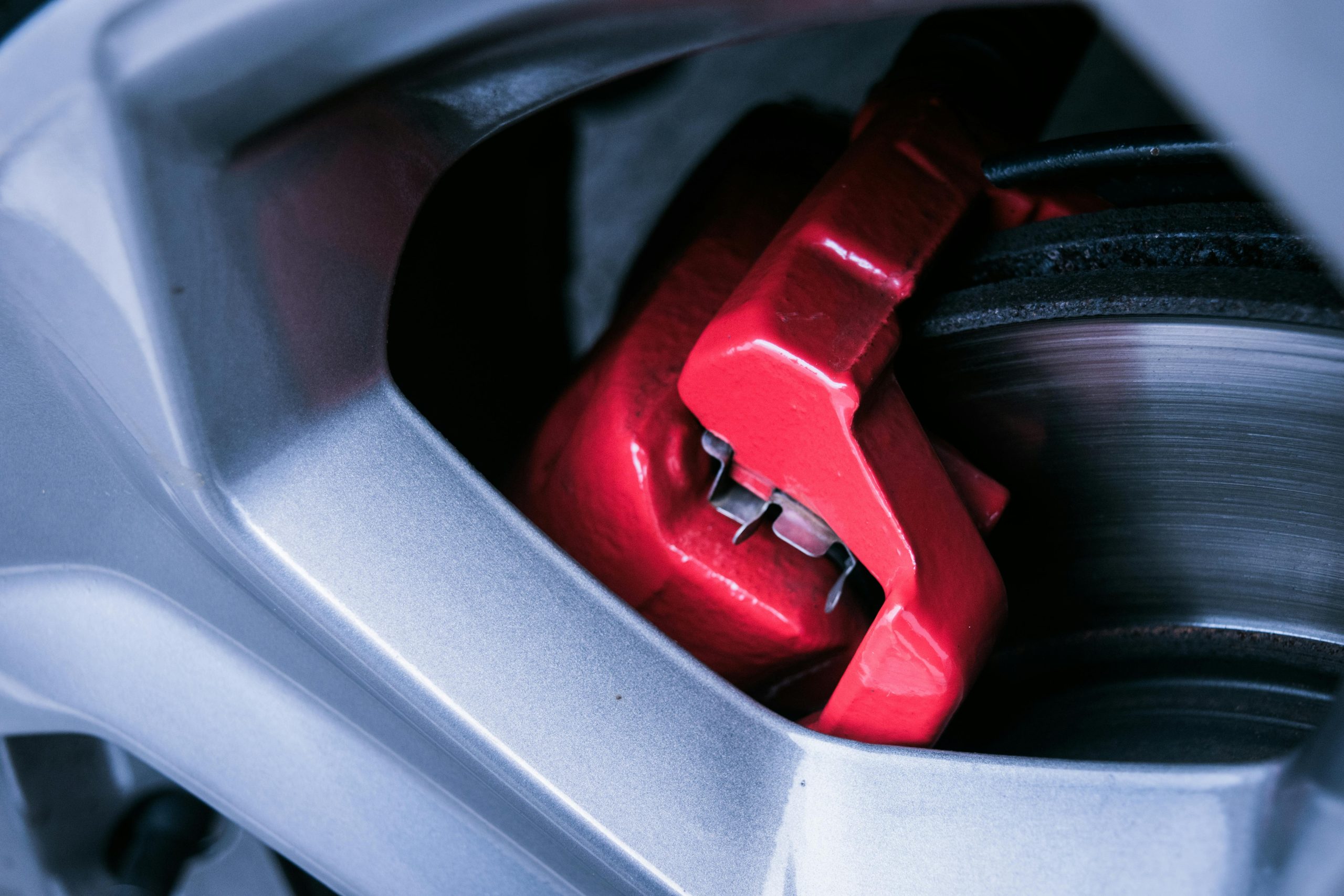
Additionally, overheating brakes aren’t uncommon. When they get too hot, the friction material on the brake pads can emit a burning rubber smell. Addressing this promptly is important to maintain your car’s safety and functionality.
Worn-out clutch plates are another frequent offender, especially noticeable when shifting gears. The friction involved in a deteriorating clutch can mimic that burning rubber smell, indicating it’s time for a replacement.
Lastly, don’t overlook the possibility of electrical issues, such as short circuits. These can burn the plastic insulation on wires, contributing to the rubbery stench. Regular electrical inspections can prevent these hazards, ensuring your safety and that of your vehicle.
Inspecting Tire Wear Patterns
While addressing potential causes of burning rubber smells, it’s also important to examine your vehicle’s tire wear patterns for further insights into underlying issues. You’re part of a community that values vehicular health and longevity, so understanding these patterns is essential.
Start by checking for uneven wear or specific wear towards the engine side. This could be a red flag indicating possible alignment issues or other mechanical concerns.
When you notice heavy wear on one side of your tires, it often points to a toe misalignment or camber issues. These alignment problems don’t just reduce tire life but also negatively impact your drive quality.
Inspecting your tires for cupping or undulations on the surface can also offer clues. Although this doesn’t directly relate to alignment, such irregularities often stem from underlying issues that could eventually lead to alignment problems if left unchecked.
Identifying Suspension Issues
As you explore common suspension problems, it’s important to recognize signs like uneven tire wear or peculiar noises, which can indicate failing components.
Diagnosing suspension failures involves thorough checks of sway bar links, control arms, and tie rod links for any signs of damage or excessive wear.
Ensuring your vehicle’s alignment and suspension settings are correctly adjusted is key to preventing further issues and maintaining peak performance.
Common Suspension Problems
You should regularly check for signs of wear on suspension components such as sway bar links and control arms to promptly detect any issues. Spotting early signs of suspension problems can safeguard you from more severe complications down the road. When inspecting, focus on the control arms and wheel bearings, which are crucial for maintaining your car’s alignment and overall stability.
Additionally, uneven tire wear can be a telltale sign of underlying suspension issues. If you notice unusual patterns like cupping or bald spots on your tires, it might indicate that the wheel bearings are loose or the suspension components are worn out. This uneven tire wear can lead to poor vehicle handling and increased strain on other car parts.
To guarantee your car’s longevity and performance, make it a habit to inspect these elements regularly. Look for any anomalies in the tire surfaces and feel for any vibrations or odd noises when driving—these could be clues pointing to suspension faults. Addressing these issues early can prevent further damage and help maintain a smooth, stable ride in your vehicle.
Diagnosing Suspension Failures
To diagnose suspension failures effectively, start by checking for excessive bouncing and uneven tire wear, which are clear indicators of underlying issues. If you’re noticing a bumpy ride or your car drifts to one side, it could be a sign that your suspension needs attention. Remember, ignoring these signs might lead to the unpleasant smell of burning rubber, as the misalignment causes your tires to wear unevenly and overheat.
Here are a few steps to pinpoint suspension problems:
- Inspect the Tires: Look for patterns like cupping or scalloping, which can suggest that your suspension components are worn and failing to hold the tire firmly on the road.
- Check Suspension Components: Examine control arms, tie rods, and sway bar links for any signs of damage or unusual wear. These are often the culprits when it comes to suspension failures.
- Perform a Bounce Test: Press down hard on each corner of the vehicle and observe how it reacts. If the car continues to bounce more than once or twice, this may indicate weak or worn shock absorbers or struts.
Maintenance Practices Overview
Maintaining your car’s belts and hoses regularly can prevent the unsettling smell of burning rubber. You’re part of a community that values their vehicles, so understanding how simple checks can save you from larger issues is essential.
Routinely inspect the engine belts for any signs of wear or damage. A frayed or glazed belt can slip or snap, leading to overheating and that distinctive rubbery stench.
Similarly, make sure your engine compartment is clean and organized. Debris can trap heat or rub against moving parts, contributing to the smell of burning rubber.
During your routine inspections, don’t overlook the hoses. Brittle or swollen hoses can crack, causing coolant leaks. These leaks may not only lead to overheating but can also emit a sweet, chemical odor as the coolant burns off, which might initially seem like burning rubber.
Adopting these practices creates a safety net around your driving experience. You’re not just maintaining a machine; you’re ensuring your peace of mind on the road.
Checking for Engine Leaks
Detecting engine leaks early is essential to prevent the distinct smell of burning rubber and potential vehicle damage. You’ve likely experienced that alarming burning smell while driving, which often signals that engine oil or other important fluids are leaking and contacting hot components of your car.
To nip this problem in the bud, you’ll need to stay vigilant and act swiftly.
Here’s how you can start:
- Inspect Regularly: Make it a routine to check under your car for any signs of dripping fluids. Fresh stains on your driveway or garage floor are often the first indicator of trouble.
- Examine Components: Focus on common culprits like gaskets, hoses, and seals. These components can deteriorate over time and become the source of oil or coolant leaks that contribute to the burning smell.
- Monitor Fluid Levels: Keep an eye on your engine oil, coolant, and power steering fluid levels. A sudden drop in any of these can point to a leak.
Addressing these leaks promptly does more than just rid you of the unpleasant odor; it also prevents potential damage to your vehicle’s engine and other systems.
Don’t ignore these signs—being proactive is your best defense.
Solutions to Common Problems
Let’s tackle some common solutions to the persistent problem of burning rubber smells in your vehicle.
First, you’ll need to inspect the brakes. Overheated brakes are often the culprit behind this smell in your car. If they’re excessively worn or not releasing properly, it’s important to replace or adjust them to prevent further damage and eliminate the odor.
Next, consider your clutch. Worn-out clutch plates can degrade your transmission’s efficiency and emit a sharp, rubbery scent. If you suspect your clutch is the issue, having it inspected and possibly replaced by a professional can resolve this smell.
Drive belts are another area to check. These belts, when faulty, can create friction and heat that lead to the burning rubber odor. Inspect the belts for any signs of wear or damage and replace them if necessary to maintain engine harmony and prevent the smell.
Lastly, examine the exhaust manifold and other engine parts for signs of oil leaks. If engine oil leaks and comes into contact with a hot engine, it not only poses environmental risks but also produces a rubber-like odor. Fixing these leaks is essential for both your vehicle’s health and to stop the smell.
Preventative Measures and Tips
To prevent the undesirable burning rubber smell in your vehicle, regularly inspect key components like belts, hoses, and clutches for signs of wear or damage. Keeping an eye on these parts not only helps you catch issues early but also saves you from the hassle of unexpected repairs. It’s important to understand where the smell is coming from to effectively address the issue.
Here’s a quick guide to make sure you’re on top of things:
- Inspect Electrical Wiring: Check for any signs of short circuits or damaged insulation. Electrical issues often emit a burning smell similar to rubber due to the heat generated.
- Maintain Cleanliness in the Engine Compartment: Keep it free from leaves, trash, or any debris that can easily catch fire or melt due to high temperatures, contributing to that burning smell.
- Monitor Brake Calipers and Tires: Make sure your brake calipers aren’t sticking and that your tires are properly aligned and inflated. Excessive friction and heat can cause components to wear down faster, leading to the distinctive odor of burning rubber.
Conclusion
To tackle the mystery of that burning rubber smell in your car, start by meticulously examining tire wear and suspension alignment. Are you checking for engine leaks regularly? This could be a crucial clue.
Address these areas consistently and adopt preventative maintenance habits. Remember, solving this puzzle not only clears the air but guarantees your vehicle’s longevity and safety.
Dive deep into regular check-ups and adjustments; your car’s health depends on it.